More information
- Remon Westra
- Sales & Account Manager
- +31 (0) 6 21931522
- #114,46,119,101,115,116,114,97,64,110,101,119,101,110,101,114,103,121,99,111,97,108,105,116,105,111,110,46,111,114,103

Critical minerals are becoming a strategic cornerstone of the global energy transition. Technologies such as wind turbines, solar panels, EV batteries, hydrogen electrolysers and digital infrastructure all depend on a reliable supply of materials including lithium, nickel, cobalt, graphite and rare earth elements.
At the same time, supply chains are highly concentrated and increasingly influenced by geopolitics, export controls and industrial policy. This creates new challenges around security of supply, strategic autonomy, market volatility and investment.
During the Masterclass Critical Minerals, you explore how energy, industry, geopolitics and markets come together in the global race for critical raw materials. You gain insight into supply and demand dynamics, international policy responses and the role of innovation, recycling and circular business models in building more resilient supply chains.
How you benefit:
During this Masterclass Critical Minerals, you develop a strategic understanding of the role of critical raw materials within the energy transition.
You begin by examining which minerals are most important for clean energy technologies. Materials such as lithium, nickel, cobalt, graphite and rare earth elements are fundamental to EV batteries, wind turbines, solar panels and hydrogen electrolysers. Their availability can therefore directly influence the pace and cost of the energy transition.
The programme then explores the global critical minerals market. You examine supply and demand dynamics, supply concentration and market volatility, and consider why production and refining capacity for many minerals is concentrated in a relatively small number of countries.
Geopolitics is a central part of the programme. You analyse how export controls, trade policy, strategic competition and industrial policy are influencing critical minerals supply chains. Particular attention is given to policy responses in Europe, the United States and China and to the growing importance of strategic autonomy and security of supply.
You also explore technological and circular solutions. Developments in extraction, battery chemistry, material substitution, recycling and circular business models can reduce vulnerabilities and create new opportunities within the critical minerals value chain.
Through expert contributions and practical discussions, you connect geopolitical, technological and market developments and assess what they mean for energy companies, industry, policymakers, investors and other organisations involved in the energy transition.
In addition to substantive learning and valuable professional connections, we provide a well-organised learning experience.
After completing the masterclass, you will receive a digital certificate of participation that can easily be added to your LinkedIn profile. Speaker presentations will be shared as reference material, allowing you to revisit the content or share relevant insights with colleagues.
Lunch and healthy snacks are provided throughout the day. A dedicated event manager will be on site to ensure the programme runs smoothly and to assist with any practical questions.
The Masterclass Critical Minerals is designed for professionals who need to understand how access to critical raw materials is influencing the energy transition, industrial strategy and global markets.
The masterclass is particularly relevant for:
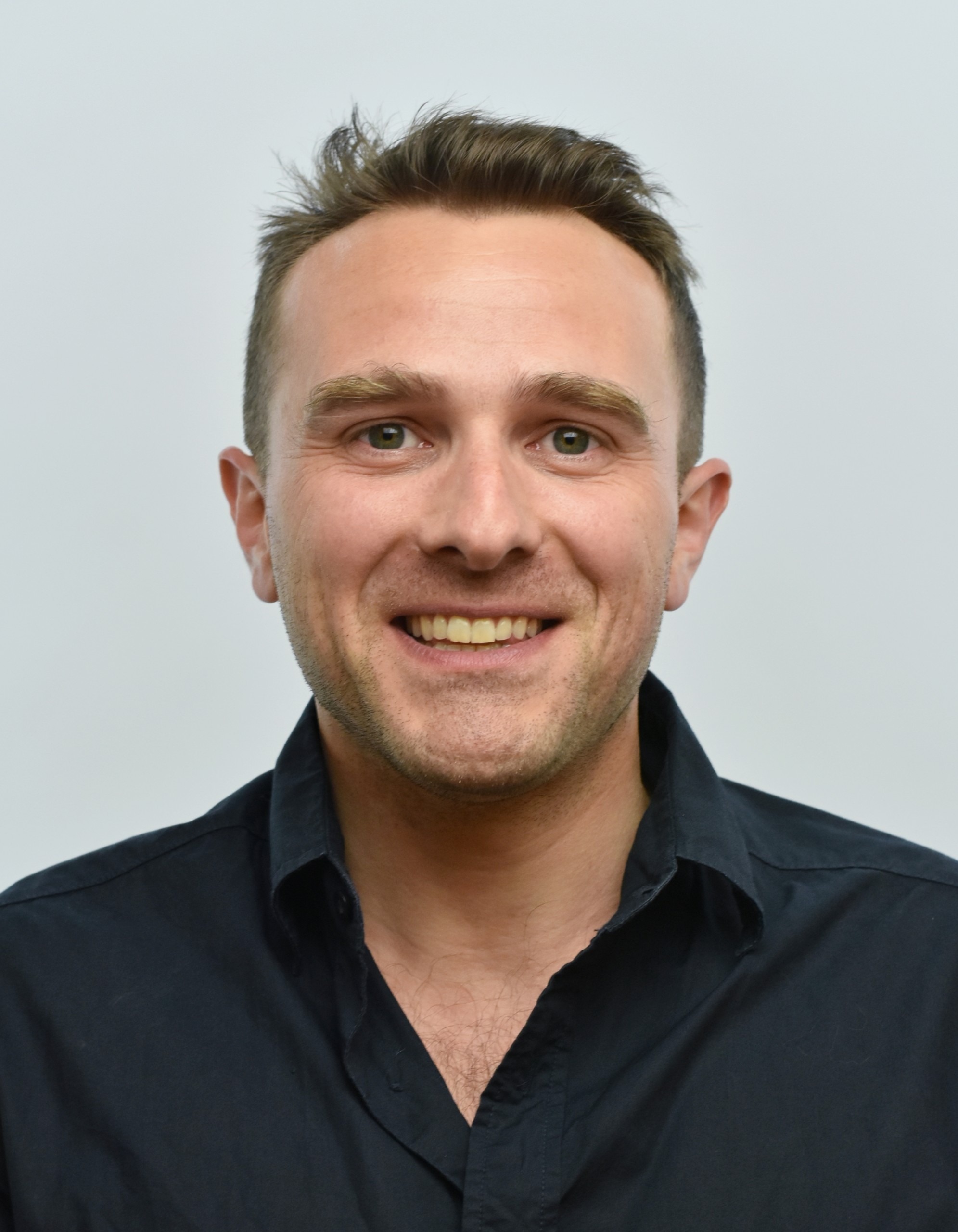
Raphaël Danino-Perraud is a commissioned officer (with the rank of lieutenant-colonel) from the Operational Energy Service (SEO), working for the French Defence Staff. He also works as an independent consultant for diverse institutions and companies. Finally, he is a research fellow at the French Institute for International Relations (IFRI) but also a part-time lecturer at French engineering schools such as Centrale Supélec and École Nationale des Ponts et Chaussées (ENPC).
Raphaël Danino-Perraud graduated from Sciences-Po Lyon (2012) with a degree in International Relations and in Business Intelligence. From 2016 to 2020, he performed a PhD in resource economics at the University of Orléans (LEO) and the French Geological Survey Bureau (BRGM).
You can easily register online for this programme.