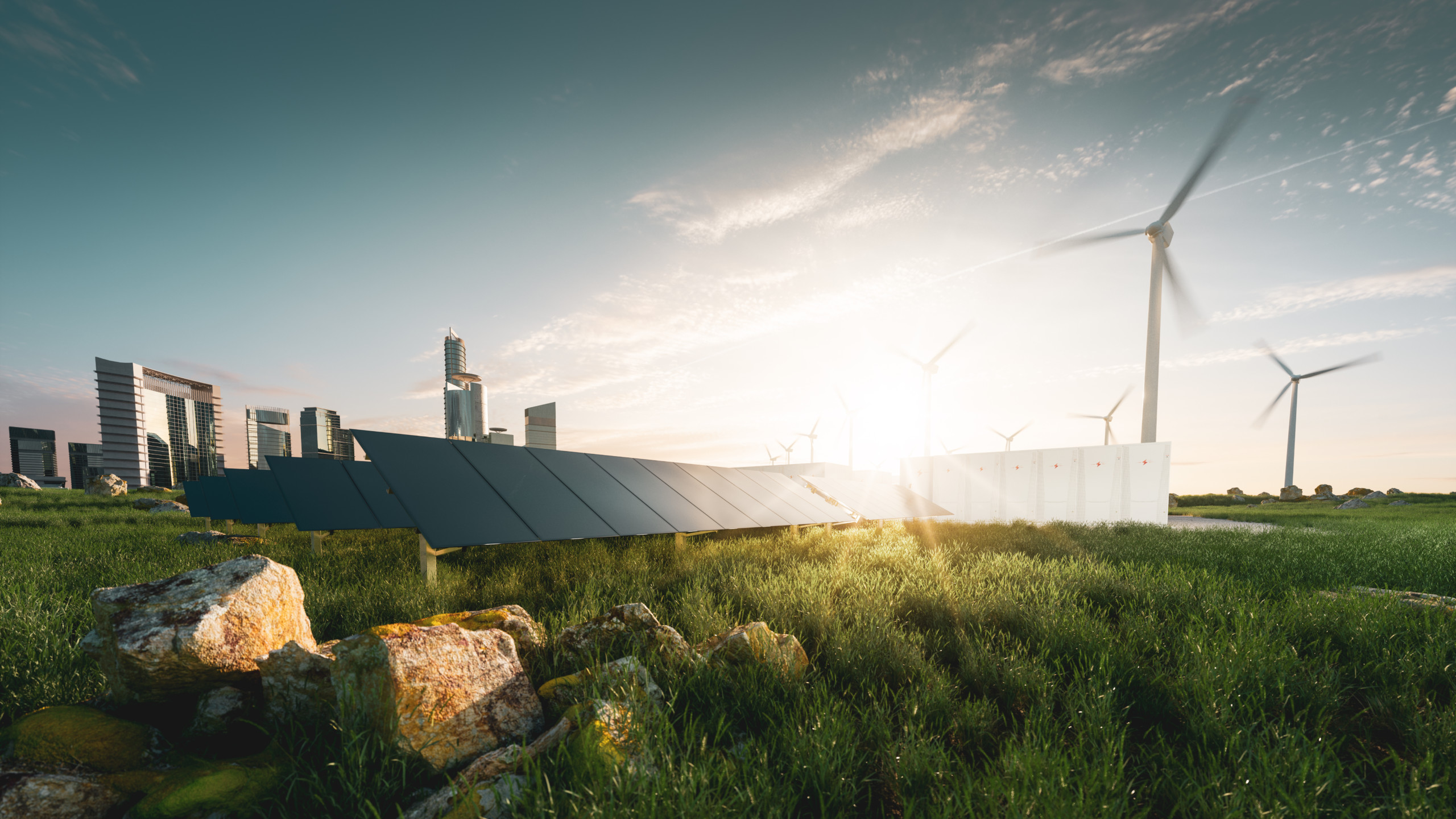
Towards a Future-Proof, Affordable, and Reliable Energy System

The energy transition is no longer only about individual technologies. It is about how entire energy systems connect. Energy system integration is becoming essential to build a future-proof, affordable and reliable energy system across Europe. 

This intensive course connects European energy policy with real-world system design. You explore how power, gas, heat and mobility systems come together in practice, and how integrated planning can support a climate-neutral energy system. 

The programme examines European policy and market design, as well as digitalisation, flexibility and sector coupling. You gain a broader understanding of how energy systems interact and how to position your own expertise within the larger context of the energy transition. 

How you benefit 

  • Develop a strategic understanding of energy system integration and its role in the European energy transition. 
  • Explore how power, gas, heat and mobility systems interact in practice. 
  • Understand how European policy and market design influence integrated energy systems. 
  • Gain insight into digitalisation, flexibility and sector coupling. 
  • Place your own energy expertise within the broader context of system integration. 
  • Learn from experts and exchange knowledge with peers working across the energy sector. 

Today’s energy system has long been organised through parallel, vertical value chains for power, gas, heating and transport. As renewable energy grows and demand patterns change, these separate systems increasingly need to be planned and operated as one connected whole. 

The Intensive Course Energy System Integration explores how energy carriers, infrastructures and consumption sectors can be coordinated more effectively. The programme focuses on the practical interaction between technologies, markets, policies and organisations. 

Participants examine how system integration can support decarbonisation, affordability and reliability, while addressing the complexity of a changing European energy landscape. 

After this course, you will be able to 

  • Explain the role of energy system integration in the European energy transition. 
  • Understand how power, gas, heat and mobility systems interact within an integrated energy system. 
  • Analyse the relevance of European policy and market design for system integration. 
  • Assess the role of digitalisation, flexibility and sector coupling in future energy systems. 
  • Place individual technologies and areas of expertise within the wider energy system. 
  • Evaluate system integration challenges from a practical and strategic perspective. 

What’s included in the Intensive Course Energy System Integration 

You receive one year of access to all course materials via our Online Learning Platform, allowing you to revisit the content whenever needed. After completing the course, you receive a digital certificate of participation that can easily be added to your LinkedIn profile. 

Accommodation is not included, but our event managers are happy to recommend suitable hotels. A dedicated event manager will be on site throughout the course to ensure everything runs smoothly and assist with practical questions. 

Module 1
  • Lecture 1 Tuesday 9 March 2027 08:30 - 17:00 Lecture 2 Wednesday 10 March 2027 08:30 - 17:00 Lecture 3 Thursday 11 March 2027 08:30 - 17:00
  • LocationHeadquarters Triodos Bank in Driebergen-Rijsenburg (Utrecht Region), The Netherlands

Register

You can easily register online for this programme.

Select session
Session
2
Course type
On site programme
Start
9 March 2027
End
11 March 2027
Location
Driebergen-Rijsenburg (Utrecht Region), The Netherlands
Participant(s)

Participant#1


Billing information

Invoice details

    Contact details invoice

    Contact details invoice

      Payment

      Choose a payment method


      Other programmes within this theme

      Molecules in transition
      E-learning

      Molecules in transition

      • 4.5 hrs per week
      Powering Tomorrow
      E-learning

      Powering Tomorrow

      • 4.00 hrs per week
      The Role of Hydrogen in the Energy Transition
      E-learning

      The Role of Hydrogen in the Energy Transition

      • 4.5 hrs per week