Get up to speed on the impact of the energy transition on European energy sector
Europe’s energy system is undergoing one of the most significant transformations in its history. The transition to a secure, competitive and climate-neutral energy system is reshaping markets, technologies, industries and policy across the continent.
This intensive three-day programme provides a strategic overview of the European energy transition in 2026. You’ll explore the latest developments in energy policy, geopolitics, electrification, hydrogen, industrial decarbonisation, digitalisation and energy infrastructure.
Combining expert insights from leading academics, policymakers and industry specialists, the programme equips you with the knowledge to understand today’s rapidly evolving energy landscape and anticipate tomorrow’s opportunities.
How you benefit
- Acquire strategic perspective on European energy transition
- Anticipate challenges and opportunities
- Acquire international network of peers and expert
- Site-visit to the European parlement
About the programme
The European Energy Strategy: Trends in Transition programme provides a comprehensive overview of the forces shaping Europe’s future energy system. Over three days, you’ll examine the interaction between policy, technology, markets and infrastructure, while exploring practical solutions for achieving a resilient, affordable and climate-neutral energy system.
The programme combines keynote sessions, expert discussions, practical case work and the Energy Transition Model, enabling participants to translate theory into real-world decision-making.
Whether you work in the energy sector, government, industry or consultancy, this programme offers valuable insights into one of Europe’s most important strategic developments.
Download the brochure to find more information about the programme.
After this course you are able to:
- Understand the key drivers shaping Europe’s energy transition in 2026 and beyond.
- Explain how European energy policy, regulation and geopolitics influence energy markets.
- Assess the opportunities and challenges of electrification, hydrogen, biomethane, clean fuels and CO₂ infrastructure.
- Analyse pathways for industrial decarbonisation, sustainable mobility and the heat transition.
- Evaluate the role of AI, digitalisation and emerging technologies in future energy systems.
- Apply systems thinking using the Energy Transition Model to explore future energy scenarios.
- Develop strategic solutions through collaborative case work by designing your own future energy company.
- Exchange knowledge and build lasting relationships with an international network of professionals and experts.
What’s included in the European Energy Strategy: Trends in Transition
As part of the programme, you’ll receive one year of access to all course materials through our dedicated Online Learning Platform. After completing the course, you will receive a digital certificate of participation, which you can easily add to your LinkedIn profile to showcase your achievement. Each day includes a well-catered lunch, and on two evenings we’ll gather for group dinners, an excellent opportunity to connect informally with fellow participants. The programme also includes a visit to the European Parliament and hands-on work with the Energy Transition Model, allowing you to apply what you learn in a practical context.
You will also benefit from the insights from both academic and industry experts.
While accommodation is not included, our event managers are happy to assist you with hotel recommendations. An event manager will be present on site throughout the programme to ensure everything runs smoothly and to support you where needed.
Who should attend
For participants who are, or will become active in the energy sector or energy-related institutions:
- Professionals in European energy markets
- Consultants/advisors working in the European energy industry
- Project coordinators, strategy advisors in the energy sector Industry professionals who need to assess the impact of the energy transition on their business fields
- Regulatory affairs and public relations officers/managers working for national, provincial or municipal bodies
- Lecture 1 Monday 26 October 2026 08:30 - 17:00 Lecture 2 Tuesday 27 October 2026 08:30 - 17:00 Lecture 3 Wednesday 28 October 2026 08:30 - 16:00
- LocationHeadquarters ENTSOG in Brussels, Belgium
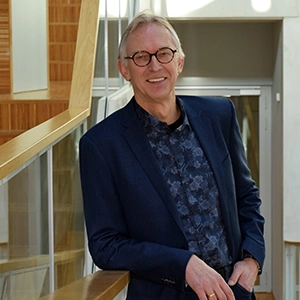
Bert Stuij (MSc) is a Senior Expert at our Business School and Manager of National Programs/Energy at the Netherlands Enterprise Agency (RVO). Stuij contributes to our programme development and education with a specific focus on the energy transition. At RVO, he is responsible for policies related to renewable energy, energy efficiency, and energy innovation. In 2022, he was part of the 2050 Energy Systems Expert Team at the Ministry of Climate and Energy of the Dutch government. Previously, Stuij worked in the private sector for Shell, and in various semi-public organizations (Novem) and government agencies (SenterNovem, AgentschapNL). Bert is member of the committee on Energy Research and Technology of the International Energy Agency (IEA).
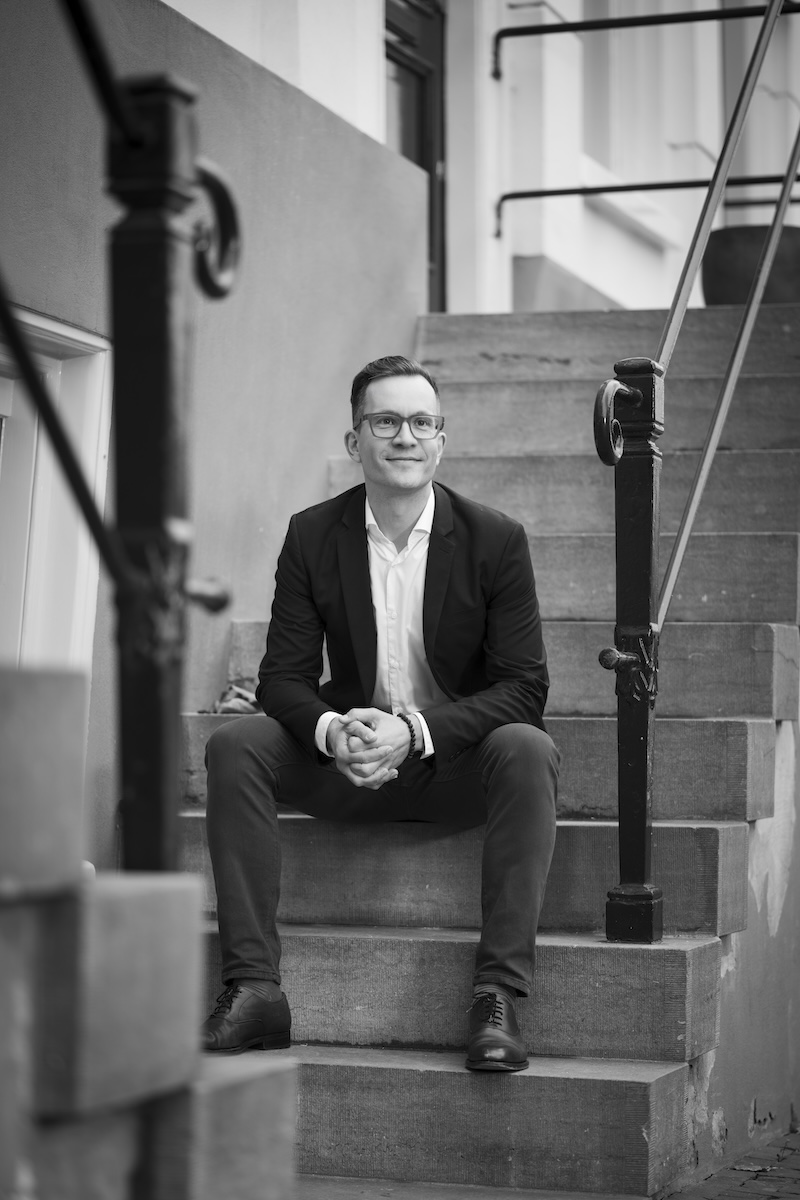
Alexander is co-found and owner at Quintel Intelligence, where he plays a key role in shaping the strategic direction of the Energy Transition Model, a tool designed to accelerate the energy transition by enhancing understanding of energy systems. His work spans both national and international projects, with a strong focus on energy system expertise and educational outreach. He regularly lectures at the New Energy Business School and various universities, contributing to Quintel’s mission of fostering insight and education. With a PhD in Physics and an MSc in Chemistry, Alexander brings a solid academic foundation to his work. His professional journey includes experience as a consultant at Quintel Strategy Consulting and as a PhD researcher at Leiden University.
Register
You can easily register online for this programme.